HISTORY OF AI

History of AI

Browse AI history by date. Each section includes films, publications and a description of later developments.

1943CHAPTER 01

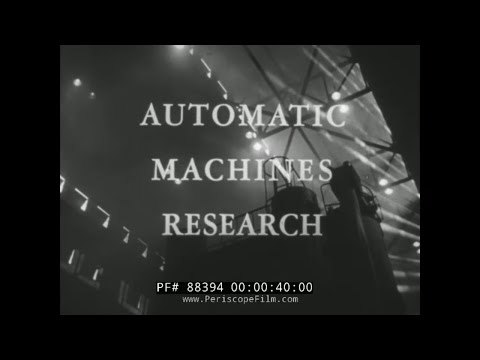
A logical model of the neuron

McCulloch and Pitts connected idealized neuron behavior with formal logic.

What happened next

This abstract model helped establish the idea that networks of simple units can implement computation. Modern neural networks use different training methods and richer units.
Explore further: papers, artifacts & readingCybernetics ↗
CHAPTER PERMALINK ↗
1948CHAPTER 02

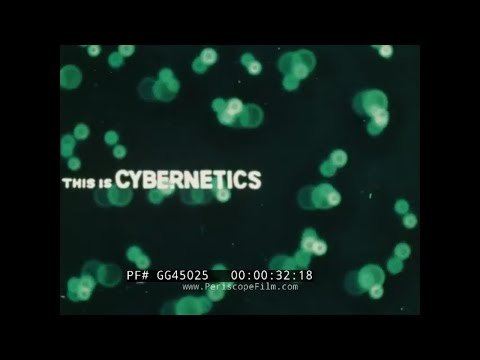
Feedback and information

Wiener’s cybernetics and Shannon’s information theory supplied distinct mathematical languages for control and communication.

What happened next

Feedback remains central to robotics; information theory underlies coding and communication. These are related foundations, not interchangeable theories.

Explore further: papers, artifacts & readingCybernetics ↗
CHAPTER PERMALINK ↗
1950CHAPTER 03

Can machines think?

Turing proposed a behavioral test and discussed learning machines.

What happened next

The paper set a durable agenda for evaluating machine behavior. Modern benchmarks operationalize narrower capabilities and do not settle consciousness.

Explore further: papers, artifacts & readingArtificial Intelligence: A Modern Approach ↗
CHAPTER PERMALINK ↗
1954CHAPTER 04

Real-time computers meet the world

Whirlwind demonstrated interactive computing; early robots and Shannon’s maze machine made learning and feedback visible.

What happened next

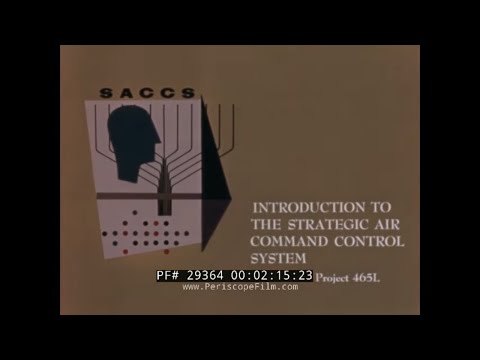
Real-time displays, control loops and networked command systems informed later interactive computing and robotics.

Explore further: papers, artifacts & readingCybernetics ↗MIT CSAIL ↗
CHAPTER PERMALINK ↗
1956CHAPTER 05

A name for a research field

The Dartmouth proposal brought learning, language, abstraction and self-improvement into a common research program.

What happened next

AI developed into multiple traditions: symbolic reasoning, statistical learning, neural networks and embodied systems.

Explore further: papers, artifacts & readingArtificial Intelligence: A Modern Approach ↗Stanford AI Laboratory ↗
CHAPTER PERMALINK ↗
1958CHAPTER 06

Learning and symbolic programs

Rosenblatt studied the perceptron while McCarthy developed Lisp for symbolic computation.

What happened next

Learned numerical representations and symbolic programs became two influential approaches, later combined in many systems.

Explore further: papers, artifacts & readingPerceptrons ↗
CHAPTER PERMALINK ↗
1960CHAPTER 07

Computing becomes modular

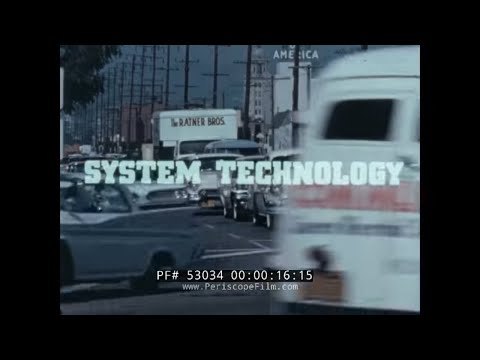
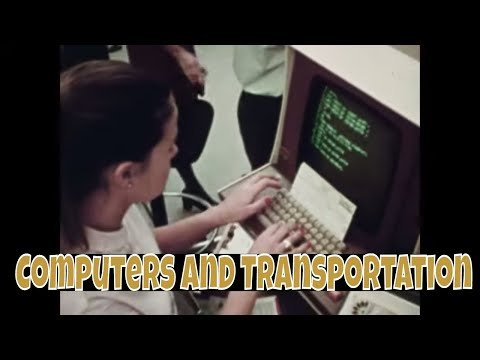
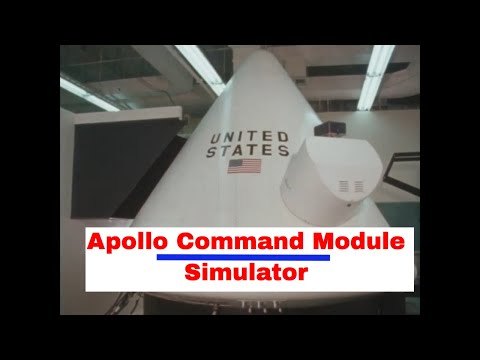
Systems engineers explored shared resources, parallel processing and common interfaces.

What happened next

The lasting contribution is architectural: software and computation can be organized across interchangeable resources. Particular 1960 designs were not modern cloud systems.

Explore further: papers, artifacts & reading
CHAPTER PERMALINK ↗
1963CHAPTER 08

A computer becomes an interactive instrument

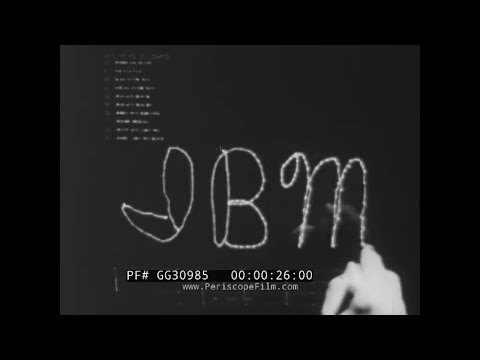
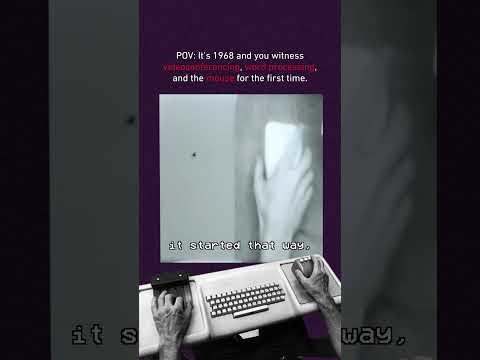
Sketchpad and early vector displays supported direct manipulation of shapes and engineering models.

What happened next

Interactive graphics influenced CAD, user interfaces and the visual tools later used to build and inspect AI systems.

Explore further: papers, artifacts & readingMIT CSAIL ↗
CHAPTER PERMALINK ↗
1965CHAPTER 09

DENDRAL and knowledge-based AI

The DENDRAL project used chemical knowledge and search to propose molecular structures from experimental data. It became an early example of a domain-specific expert system.

What happened next

The work helped establish knowledge engineering: collecting expert knowledge and using it in a program. Later expert systems used this approach in medicine, configuration and other fields.

Explore further: papers, artifacts & readingArtificial Intelligence: A Modern Approach ↗Stanford AI Laboratory ↗
CHAPTER PERMALINK ↗
1966CHAPTER 10

Reasoning, language and robots

ELIZA explored conversational interaction; Shakey combined perception, planning and movement.

What happened next

ELIZA exposed how readily people attribute understanding. Shakey’s planning work influenced later autonomous systems.

Explore further: papers, artifacts & reading
Computer Power and Human Reason ↗
CHAPTER PERMALINK ↗
1970CHAPTER 12

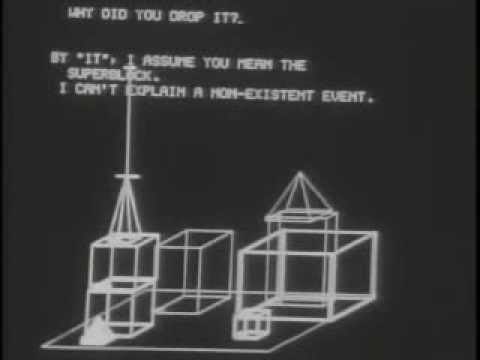
SHRDLU and language in a limited world

Terry Winograd developed SHRDLU at MIT from 1968 to 1970. The program answered questions and followed instructions in a simulated world of blocks.

What happened next

SHRDLU linked language, planning and a model of its environment. Its success depended on a small, defined world. Understanding unrestricted language remained a separate problem.

Explore further: papers, artifacts & readingArtificial Intelligence: A Modern Approach ↗MIT CSAIL ↗
CHAPTER PERMALINK ↗
1974CHAPTER 13

MYCIN and medical expert systems

Stanford’s MYCIN project used rules to recommend treatments for bacterial infections. It also studied how a program could explain its recommendations and acquire new rules.

What happened next

MYCIN was a research system, not a general-purpose doctor. Its rule-based methods and explanation tools influenced later expert-system software. Clinical reliability and deployment required more than a successful research demonstration.

Explore further: papers, artifacts & readingArtificial Intelligence: A Modern Approach ↗Stanford AI Laboratory ↗
CHAPTER PERMALINK ↗
1978CHAPTER 14

MIT Lisp machines and CADR

MIT built computers designed to run Lisp efficiently. The CADR combined specialized hardware with an interactive software environment for developing and debugging programs.

What happened next

The Lisp machine became a base for commercial workstations. Its integrated environment, memory management and support for symbolic programs remain useful subjects in programming-system design.

Explore further: papers, artifacts & readingMIT CSAIL ↗
CHAPTER PERMALINK ↗
1980CHAPTER 15

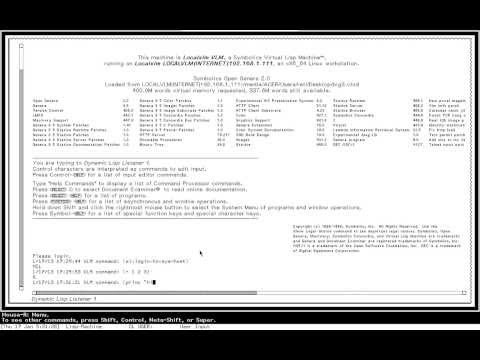
Symbolics and commercial Lisp workstations

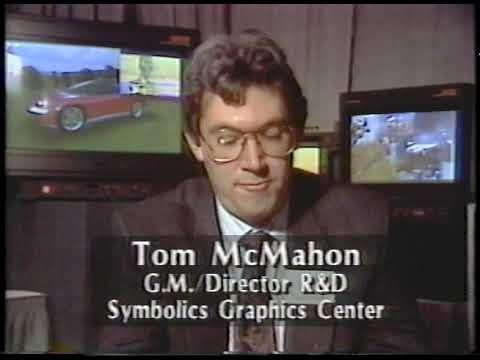
Symbolics was formed in 1980 to commercialize Lisp-machine technology. Its later 3600 systems combined Lisp-oriented hardware with a substantial software environment.

What happened next

Lisp workstations supported AI development, engineering and graphics. General-purpose workstations later changed the economics of specialized machines. The demonstrations show the working environment, not only the hardware.

Explore further: papers, artifacts & readingMIT CSAIL ↗
CHAPTER PERMALINK ↗
1980CHAPTER 16

Expert systems in industry

Expert-system projects applied rules and domain knowledge to practical tasks such as configuring computer systems. This work moved knowledge-based AI beyond laboratory demonstrations.

What happened next

These systems could be useful within a defined domain. Maintaining the rules, handling exceptions and acquiring knowledge became major engineering costs. Later AI systems continued to face related problems of scope and maintenance.
Explore further: papers, artifacts & readingArtificial Intelligence: A Modern Approach ↗Stanford AI Laboratory ↗
CHAPTER PERMALINK ↗
1983CHAPTER 17

Thinking Machines and parallel computing

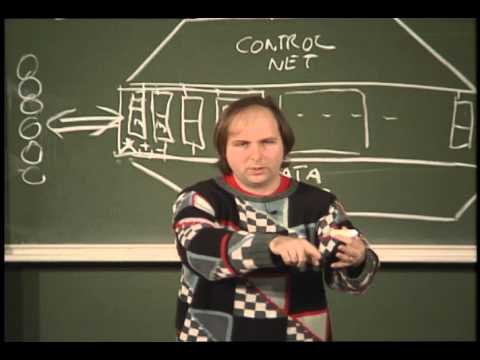
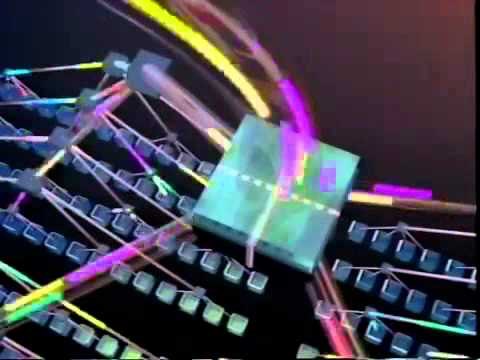
Danny Hillis and colleagues founded Thinking Machines Corporation in 1983. The company developed Connection Machine computers that used large numbers of processors.
What happened next

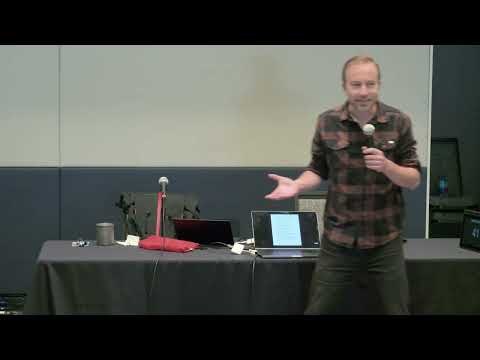
The machines supported scientific computing and research in parallel programming. Later CM-5 work used a different architecture from the early SIMD machines. Hillis’s recorded lecture explains the CM-5 design choices.
Explore further: papers, artifacts & readingMIT CSAIL ↗
CHAPTER PERMALINK ↗
1984CHAPTER 18

Doug Lenat and Cyc

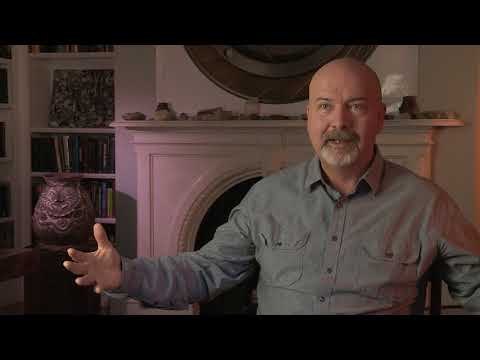
Doug Lenat began Cyc in 1984 to build a large base of common-sense knowledge and reasoning rules. The project addressed knowledge that people often leave unstated.

What happened next

Cyc continued as a long-term knowledge-engineering project. Its approach differs from learning a language model from text. The 1992 documentary includes Lenat alongside Minsky, Feigenbaum and other AI researchers.

Explore further: papers, artifacts & readingArtificial Intelligence: A Modern Approach ↗Stanford AI Laboratory ↗
CHAPTER PERMALINK ↗
1984CHAPTER 19

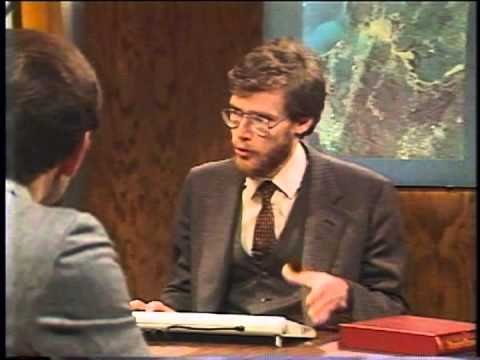
Computer Chronicles: Artificial Intelligence

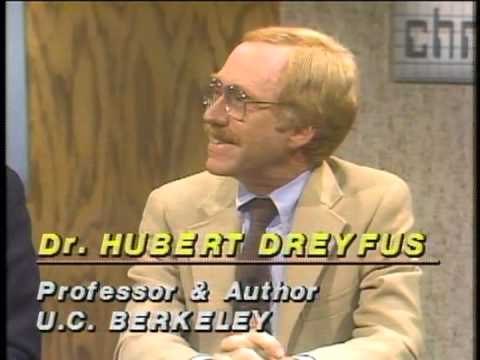
The 1984 Computer Chronicles episode presented AI research, expert systems and Lisp. Guests included John McCarthy, Edward Feigenbaum and researchers from SRI.

What happened next

The programme records how researchers explained AI during the expert-system period. It is useful for comparing their demonstrations and expectations with later results. The 1985 episode provides a further view of the field.

Explore further: papers, artifacts & readingArtificial Intelligence: A Modern Approach ↗Stanford AI Laboratory ↗
CHAPTER PERMALINK ↗
1986CHAPTER 20

Learning internal representations

Backpropagation made it practical to train useful internal representations in multilayer networks.

What happened next

Combined with larger datasets, improved hardware and architectural advances, gradient-based learning became a foundation of modern deep learning.

Explore further: papers, artifacts & readingDeep Learning ↗
CHAPTER PERMALINK ↗
1986CHAPTER 21

Intelligence as many processes

Minsky’s Society of Mind proposed that complex thought can arise from the interaction of many specialized processes.

What happened next

The book remains an influential conceptual account of cognition. Its internal agents are not identical to today’s tool-using software agents; the connection is a useful question rather than a claim of direct equivalence.

Explore further: papers, artifacts & readingThe Society of Mind ↗Perceptrons ↗MIT CSAIL ↗
CHAPTER PERMALINK ↗
1989CHAPTER 22

From Deep Thought to IBM’s chess project

IBM recruited members of the Deep Thought chess team in 1989. Feng-Hsiung Hsu, Murray Campbell and colleagues worked on search, evaluation and specialized chess hardware.

What happened next

Deep Blue won a game against Garry Kasparov in 1996, but lost that match. The team improved the system before the 1997 rematch. The two results should not be treated as the same event.

Explore further: papers, artifacts & readingArtificial Intelligence: A Modern Approach ↗IBM Research ↗
CHAPTER PERMALINK ↗
1992CHAPTER 23

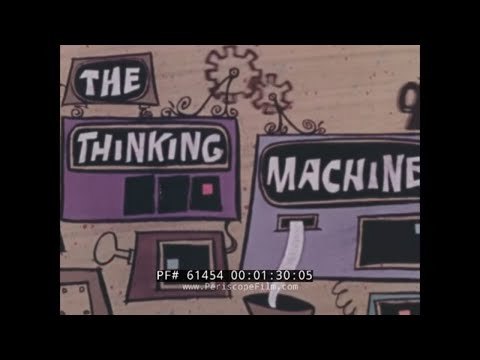
The Thinking Machine documentary

The Machine That Changed the World included a 1992 episode about AI. Participants included Doug Lenat, Marvin Minsky, Edward Feigenbaum and other researchers.

What happened next

The film provides a record of symbolic AI, attempts to represent knowledge and debates about machine intelligence. The related papers and technical records let viewers examine the methods as well as the film’s account.

Explore further: papers, artifacts & readingThe Society of Mind ↗Computer Power and Human Reason ↗
CHAPTER PERMALINK ↗
1997CHAPTER 24

Search at machine scale

Deep Blue defeated the reigning world chess champion in a match.

What happened next

The system demonstrated specialized search and evaluation at scale. Later game-playing systems increasingly learned representations and strategies.

Explore further: papers, artifacts & reading
Artificial Intelligence: A Modern Approach ↗IBM Research ↗
CHAPTER PERMALINK ↗
2011CHAPTER 25

Watson and the Jeopardy! challenge

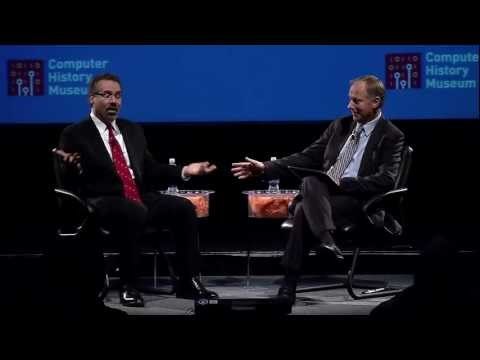
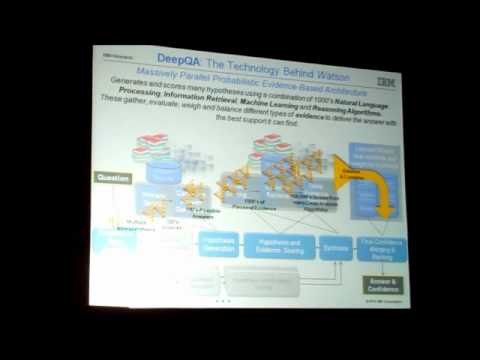
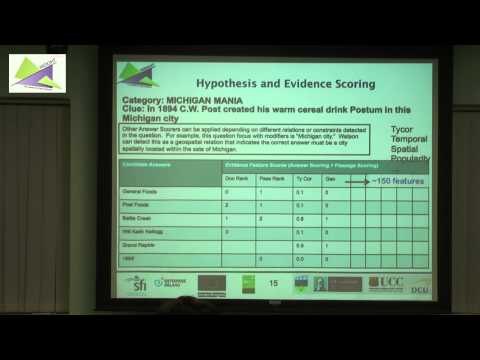
IBM’s Watson combined language analysis, information retrieval, evidence scoring and other methods to answer Jeopardy! questions. It defeated Ken Jennings and Brad Rutter in the televised 2011 contest.

What happened next

Watson demonstrated a question-answering system built for a specific task. Its result did not establish unrestricted language understanding. Ferrucci’s presentation and the DeepQA paper describe how the system worked.

Explore further: papers, artifacts & readingArtificial Intelligence: A Modern Approach ↗IBM Research ↗
CHAPTER PERMALINK ↗
2021CHAPTER 28

Models as scientific instruments

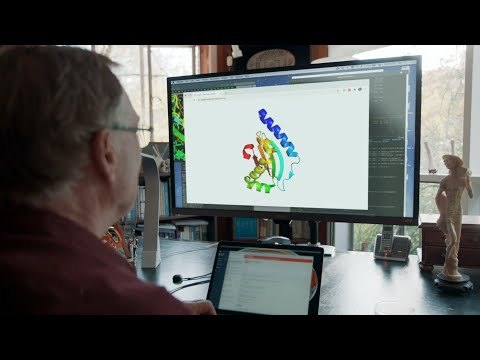
AlphaFold demonstrated substantial advances in protein-structure prediction.

What happened next

The work broadened access to structural hypotheses. Predicted structures remain starting points for experimental and biological interpretation.

Explore further: papers, artifacts & readingGoogle DeepMind ↗
CHAPTER PERMALINK ↗
2023CHAPTER 29

Learning to act

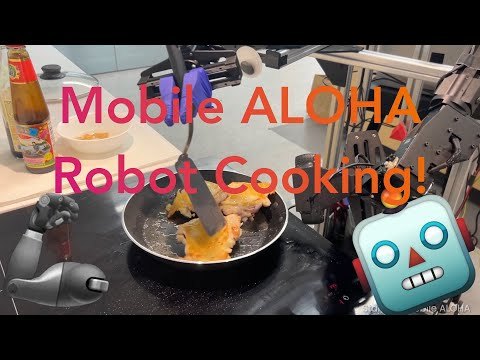
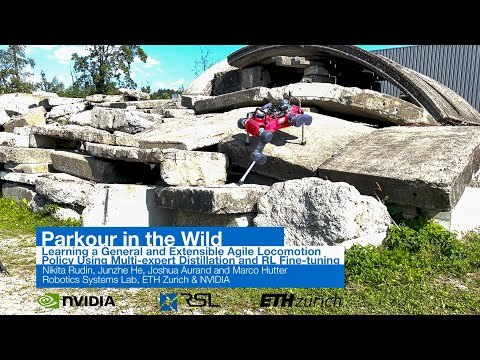
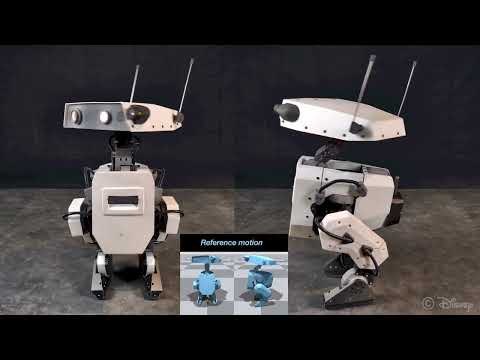
Robot learning connected demonstrations, visual perception and learned control across a wider range of tasks.

What happened next

Open robot datasets and reproducible platforms made it easier to compare methods. Generalization, safety and reliability remain active research problems.

Explore further: papers, artifacts & readingStanford AI Laboratory ↗ETH AI Center ↗
CHAPTER PERMALINK ↗

More from the film collection

EXPLORE ↗