ChinaAI lab

01.AI↗
01.AI develops Yi models.
Beijing
 Global AI MapAI RESEARCH AND ROBOTICS
Explore organizations by location, research area and public work.
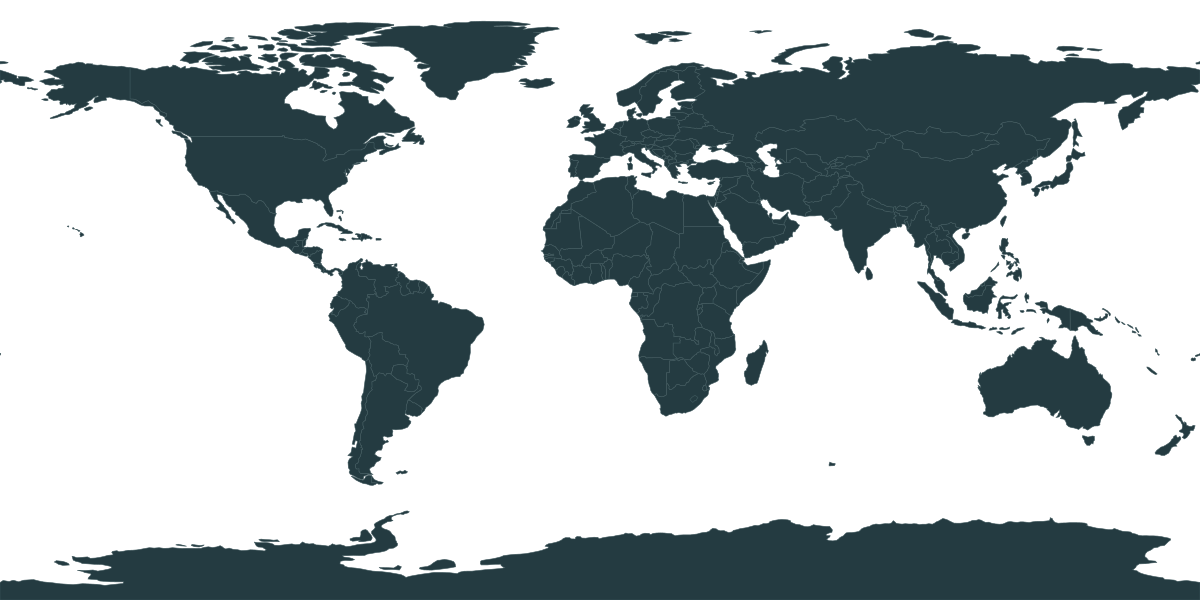 90° N0°
Select a marker to open a profile. Locations are approximate; nearby markers separate as you zoom in. Pinch to zoom on touch screens.
01.AI develops Yi models.

General-purpose humanoid development with Norwegian origins; its official about page lists Palo Alto.

Industrial robots, collaborative arms and automation software.

Adobe Research develops Firefly models.
Embodied-intelligence platforms, robot datasets and manipulation research.

Bipedal robots and fleet-management software for material-handling workflows.
AH Lab is part of Global Venture Bridge, which funds and backs its research in local inference, agents and intelligent systems. It is based in Florence, Texas.

German model developer producing specialized language models including Kolibri, with a research base in Heidelberg.

Alibaba Qwen develops Qwen models.
Allen Institute for AI develops OLMo models.

Amazon AGI develops Nova models.
Helsinki AI laboratory within AMD, developing multilingual open models including Poro and Viking with research collaborators.

Ant Group InclusionAI develops Ling models.
Anthropic develops Claude models.
Autonomous quadrupedal inspection robots originating in ETH Zurich research.
Apple Machine Learning Research develops OpenELM models.

Humanoid robotics and deployment platforms originating in Austin robotics research.
Arcee AI develops Trinity models.

AI-enabled robots for manufacturing, combining machine vision, manipulation and flexible tool use.
Baichuan Intelligence develops Baichuan models.
Baidu ERNIE develops ERNIE models.

Beijing Academy of Artificial Intelligence develops BGE models.
A UC Berkeley research community studying machine learning, vision, language and robotics.
Visual-model lab with locations in Freiburg and San Francisco; develops the FLUX family.

Mobile robots for locomotion, inspection and logistics, including Atlas, Spot and Stretch.

ByteDance Seed develops Seed models.

Machine learning research with a strong tradition in probabilistic models and statistical inference.

Robotics research spanning autonomy, perception, manipulation and human–robot interaction.

Cartesia develops Sonic models.

Cerebras develops Cerebras-GPT models.

Mobile collaborative robots for material movement in human working environments.

AI research in language, learning, robotics, reasoning and computational sustainability.

Robot-learning systems for industrial picking and manipulation.

Databricks Mosaic Research develops DBRX models.
Legged and wheeled-legged robots for industrial inspection and difficult terrain.
DeepSeek develops DeepSeek models.

Robot manipulation and physical AI systems for logistics and material handling.

Collaborative arms, desktop robots and robot-learning data collection systems.

Expressive humanoid robots and systems for embodied human–robot interaction.

Industrial robots and motion-control equipment for automated production.

Interdisciplinary AI research connecting learning, robotics and scientific applications.

Warehouse automation combining mobile robots, storage and orchestration software.

Industrial arms, collaborative robots and factory automation systems.

Figure AI develops Helix models.

Humanoid robots and rehabilitation robotics with force-controlled actuation.

Torque-controlled arms and tools for manipulation research and automation.

Autonomous mobile robots and warehouse orchestration systems.

Google research organization with a major London base, developing Gemini and AI systems for science and other applications.

Google Research develops PaLM models.

AI-controlled robotic systems for sanding, polishing and other surface-finishing tasks.

Paris-founded agent research company publishing the Holo family of computer-use action models.

Autonomous case-handling robots and goods-to-person storage systems.

Huawei Noah's Ark Lab develops PanGu models.
Hume AI develops Octave models.
IBM Research develops Granite models.

iFLYTEK develops Spark models.
AI research in learning, language, vision, reasoning and data-driven systems.

G42 company based in Abu Dhabi developing the Jais Arabic-centric model family with research partners.

Robot software and development tools for industrial automation.

KAUST’s Center of Excellence for Generative AI connects foundational models with research in science and industry.

Robots for handling, welding, painting, assembly and medical applications.

University–industry AI research in learning, vision and language, including Turkish-language work.
Industrial robots, controllers and factory automation; a Germany-based company in the Midea group.

Kunlun Tech Skywork develops Skywork models.

Paris open-science lab publishing speech and multimodal research, including Moshi and Pocket TTS.

London and San Francisco lab developing generative models for molecular biology and protein design.
Paris model developer working on document understanding, retrieval and open-weight OCR models.
Whole-body control and robot platforms for general-purpose physical tasks.
Liquid AI develops LFM models.
Luma AI develops Ray models.

Foundation-model institute at MBZUAI in Abu Dhabi, working on K2 Think and other multilingual model collaborations.

Meituan LongCat develops LongCat models.
Meta AI develops Llama models.

Middle East Technical University’s robotics and artificial intelligence research center.
Microsoft Research / AI develops Phi models.

MiniMax develops MiniMax models.

Paris-based lab developing language, reasoning and speech models, alongside deployment and developer tools.
Computer science and artificial intelligence research spanning learning, robotics, language and systems.

Autonomous mobile robots for moving materials inside factories and warehouses.

ModelBest / OpenBMB develops MiniCPM models.
Moonshot AI develops Kimi, including the K3.1 Pro service.

Cognitive collaborative robots and humanoid platforms developed in Metzingen.

Nous Research develops Hermes models.

NVIDIA Research develops Nemotron models.

Robotics, simulation and software for automated grocery fulfillment.

OpenAI develops GPT language models and the o1 reasoning-model series.
Oxford research groups in machine learning, computer vision and robotics.

Humanoid and mobile-manipulation platforms for research and service robotics.

Research lab developing agent harnesses, execution verification, memory and small-model tooling, including Agent8088.

Physical Intelligence develops pi0 models.
Pika develops Pika models.
AI research across machine learning, efficient systems and societal questions.

Reka AI develops Reka Flash models.

Humanoid robotics and dexterous manipulation platforms.

Runway develops Gen-4 models.
Salesforce AI Research develops xGen models.

SenseTime SenseNova develops SenseNova models.
Shanghai AI Laboratory develops InternLM models.

Industrial, mobile and service robotics developed in Shenyang.

Skild AI develops Skild Brain models.

UK model developer producing generative image, audio, video and 3D systems.

AI research in learning, language, vision, robotics and human interaction, established in 1963.

StepFun develops Step models.

Collaboration between ETH Zurich, EPFL and CSCS producing the Apertus language-model family.
Abu Dhabi applied-research institute behind the Falcon model family.

Tencent Hunyuan develops Hunyuan models.

Together AI develops StripedHyena models.

Humanoid platforms and motion-control systems for industrial tasks.

Humanoid and quadrupedal platforms for locomotion, research and inspection.

Collaborative robot arms and a software and tooling ecosystem for industrial users.

Allen School research in machine learning, language, perception and robotics.

NSF AI Institute for Foundations of Machine Learning, housed in UT Austin’s Machine Learning Laboratory.
World Labs develops Marble models.

Writer develops Palmyra models.
xAI develops Grok models.

Xiaomi MiMo develops MiMo models.

XVERSE develops XVERSE models.
Industrial robotics and motion control, including the MOTOMAN range.

Z.ai / Zhipu AI develops GLM models.
No organizations match those filters.
Counts of directory organizations working in each area. Fields overlap; these are directory counts, not research-output rankings.